Key Takeaways
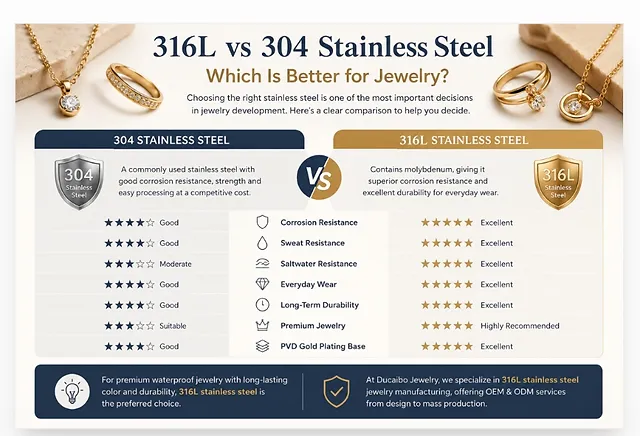
✔ More silver and brass jewelry brands are exploring 316L stainless steel to improve durability and customer satisfaction.
✔ Stainless steel can reduce material costs while maintaining a premium appearance.
✔ Not every silver or brass design can be directly converted—engineering adjustments are often required.
✔ Proper stone setting, polishing, and PVD coating are critical to achieving luxury-quality results.
✔ Brands that successfully transition often benefit from lower maintenance concerns and stronger long-term customer retention.
Introduction
From 2025- 2026, the jewelry industry is experiencing a significant material shift.
For years, sterling silver and high-end brass dominated fashion jewelry collections. Today, more premium jewelry brands are re-evaluating those materials and exploring 316L stainless steel as a long-term solution.
This shift is not simply about reducing material costs.
It is driven by changing customer expectations.
Modern consumers increasingly demand jewelry that is:
✔ Waterproof
✔ Sweat-resistant
✔ Long-lasting in color
✔ Comfortable for daily wear
At the same time, jewelry brands face increasing pressure to maintain margins without constantly raising retail prices.
As a result, more product development teams are asking:
Can our silver or brass collections be successfully converted to stainless steel without sacrificing quality or luxury appearance?
The answer is yes—but only when the conversion is engineered correctly.
Concurrently, modern consumers are demanding a "life-proof" experience. They want accessible luxury that they can wear seamlessly to the gym, the beach, or in the shower without the fear of tarnishing or turning skin green.
This economic shift has triggered a massive wave of searches among Western product managers for high-intent keywords like "alternative to sterling silver jewelry or brass jewelry", "wholesale 316L stainless steel manufacturers", and "how to convert silver /brass designs into steel production."
If your brand is looking to maintain premium aesthetics while drastically optimizing your supply chain costs, transitioning to custom stainless steel is the gold standard solution.
However, converting fine jewelry designs into steel requires specific engineering mastery.
As an elite OEM/ODM stainless steel jewelry manufacturer, Ducaibo Jewelry analyzes the structural differences, market segment strategies, and technical requirements needed to execute this transition flawlessly.
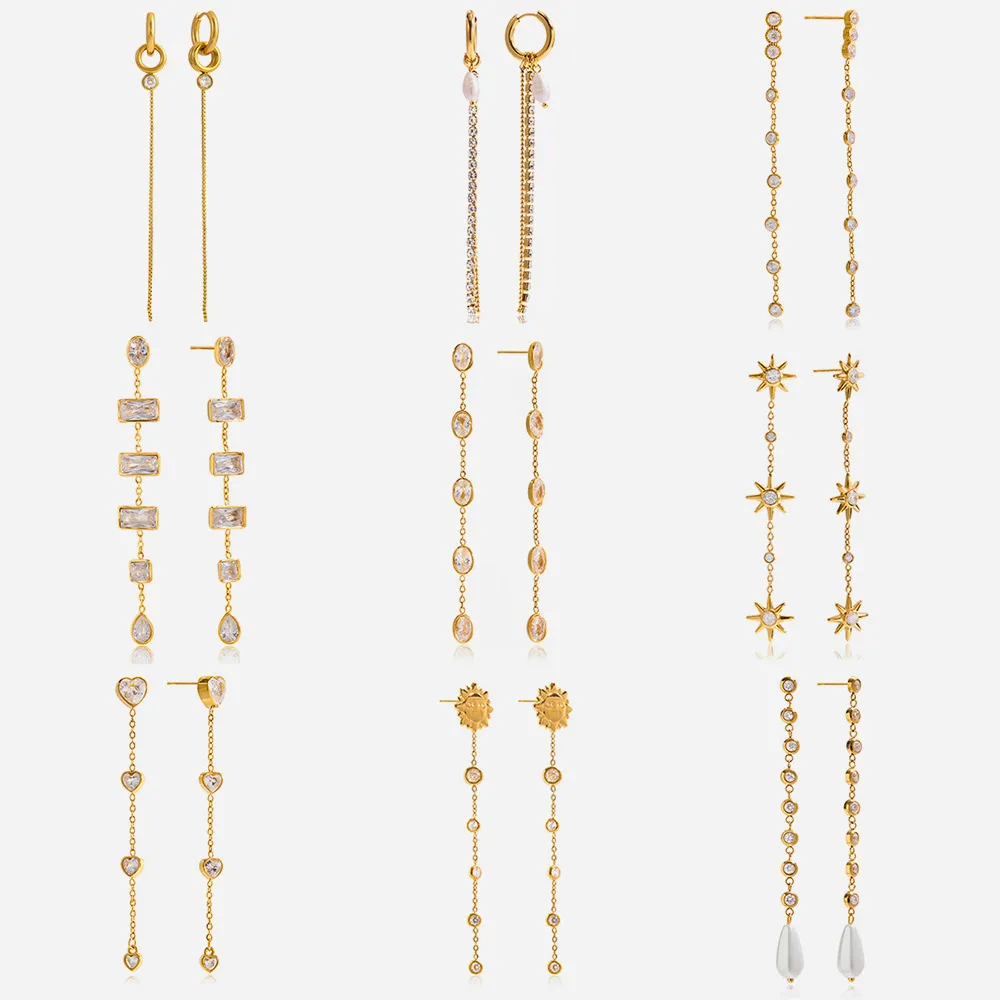
Why Premium Jewelry Brands Are Rethinking Silver and Brass
For many years, silver and brass were considered the default materials for fashion jewelry.
However, consumer priorities have changed.
Today's customers are often less concerned about what material is used and more concerned about how the jewelry performs in real life.
Many brands report that customer complaints are frequently related to:
Tarnishing
Fading plating
Skin discoloration
Water damage
Loose stones
allergenic reaction
As a result, more jewelry brands are evaluating whether traditional materials still provide the best balance between aesthetics, durability, and customer satisfaction.
What We Are Seeing in the Market
From 2025-2026, we have noticed a significant increase in inquiries from jewelry brands looking to redevelop existing silver and brass collections in 316L stainless steel.
Initially, most inquiries came from sterling silver brands or high-end brass jewelry.
More recently, we are seeing an increasing number of premium silver and brass jewelry brands exploring the same transition.
Their goals are rarely limited to cost reduction.
Most are looking to improve color durability, reduce customer complaints, and create jewelry that better fits modern lifestyles.
Why Customers Care More About Performance Than Material
Most consumers never ask whether a piece is made from silver, brass, or stainless steel.
What they notice is:
Does it still look beautiful after six months?
Can it be worn every day?
Does the color last?
Is it comfortable to wear?
The conversation around jewelry materials is changing.
For many modern consumers, durability and convenience have become part of the luxury experience.
Material Comparison: Stainless Steel vs Silver vs Brass vs Zinc Alloy
For e-commerce wholesalers and Shopify brand founders, product selection is a balancing act between durability, cost, and consumer skin-safety. Here is how stainless steel compares against traditional materials under 2025-2026 market conditions:
| Material Property | 316L Stainless Steel | Sterling Silver (.925) | Brass Jewelry | Zinc Alloy |
| Raw Material Cost | Cost-Effective & Stable | Expensive / Volatile | Moderate but Rising | Lowest Cost |
| Tarnish & Moisture Resistance | Waterproof & Sweatproof | Oxidizes and Tarnishes | May Tarnish & Discolor Over Time | Corrodes Easily |
| Color Durability | Excellent with PVD | Depends on Plating | Depends on Plating | Poor |
| Tensile Strength | Excellent | Soft | Moderate | Low |
| Daily Wear Performance | Excellent | Moderate | Moderate | Poor |
| Hypoallergenic Performance | REACH-Compliant, Skin-Friendly | Generally Safe | May Cause Skin Reactions Due to Copper Content | High Risk |
| Maintenance Required | Minimal | Frequent Cleaning | Regular Maintenance | Frequent Replacement |
| Long-Term Return Risk | Low | Medium | Medium | High |
| Suitable for Waterproof Jewelry | Excellent | Limited | Limited | Limited |
Many brands are also exploring stainless steel because of its excellent hypoallergenic performance and skin-friendly characteristics.
By shifting your core collections from brass or silver to medical-grade 316L stainless steel, your brand retains an elegant, heavy structural weight while unlocking higher retail margins and achieving a near-zero defect return rate.
The Cost Calculator: What Switching to Stainless Steel Saves You
Let's run the numbers on a real-world example.
Scenario: A brand produces 10,000 units of a minimalist pendant necklace.
| Cost Factor | Sterling Silver (.925) | 316L Stainless Steel | Difference |
| Raw material cost per unit | $8.50 | $2.80 | -$5.70 |
| Labor & finishing per unit | $4.00 | $4.50 | +$0.50 |
| Plating/PVD per unit | $0.50 (electroplating) | $1.20 (PVD vacuum) | +$0.70 |
| Total COGS per unit | $13.00 | $8.50 | -$4.50 |
| Retail price (same for both) | $49.00 | $49.00 | — |
| Gross profit per unit | $36.00 | $40.50 | +$4.50 |
The Bottom Line:
| Metric | Amount |
| Extra profit per unit | $4.50 |
| Extra profit on 10,000 units | $45,000 |
| Extra profit on 50,000 units | $225,000 |
Many brands report higher return rates related to tarnishing, oxidation, and plating durability in traditional silver or brass collections.Properly engineered 316L stainless steel collections may significantly reduce these issues.
The math is clear: Switching to stainless steel doesn't just save costs — it increases your profit margin while delivering a more durable product.
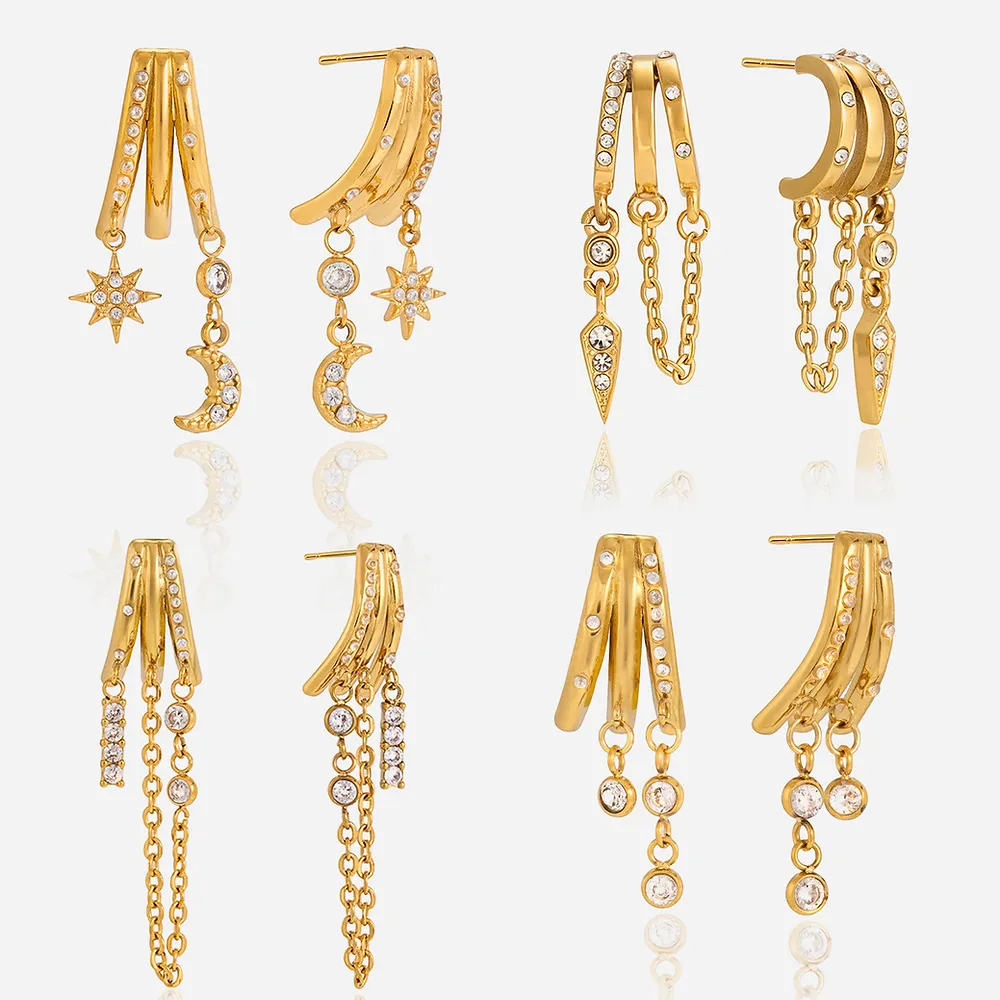
Why Converting Silver or Brass Designs Is More Difficult Than It Looks
Many brands assume that converting a silver or brass design into stainless steel is simply a matter of changing the material specification.
In reality, the process often requires structural redevelopment.
The challenge is not reproducing the appearance.
The challenge is preserving the original aesthetics while improving durability and long-term performance.
Many brands place mass wholesale orders with standard fashion factories only to find their intricate sketches look clunky or rough when executed in steel.
Why does this happen?
Silver and brass are soft, malleable metals with low melting points, making them easy to hand-shape and stone-set. Stainless steel, however, is an incredibly dense, unyielding ferrous alloy.
Converting silver or brass jewelry into stainless steel often requires complete product redevelopment rather than a simple material substitution.
The Biggest Challenge: Recreating Luxury in Stainless Steel
One of the most common misconceptions about stainless steel jewelry is that it cannot achieve the refined appearance of silver or brass.
In reality, premium stainless steel jewelry requires more engineering, not less.
Achieving a luxury finish depends on:
High-precision polishing
Advanced stone-setting techniques
Premium PVD coating
Structural refinement
Comfort-focused product development
When these factors are executed correctly, stainless steel jewelry can deliver both luxury appearance and superior durability.
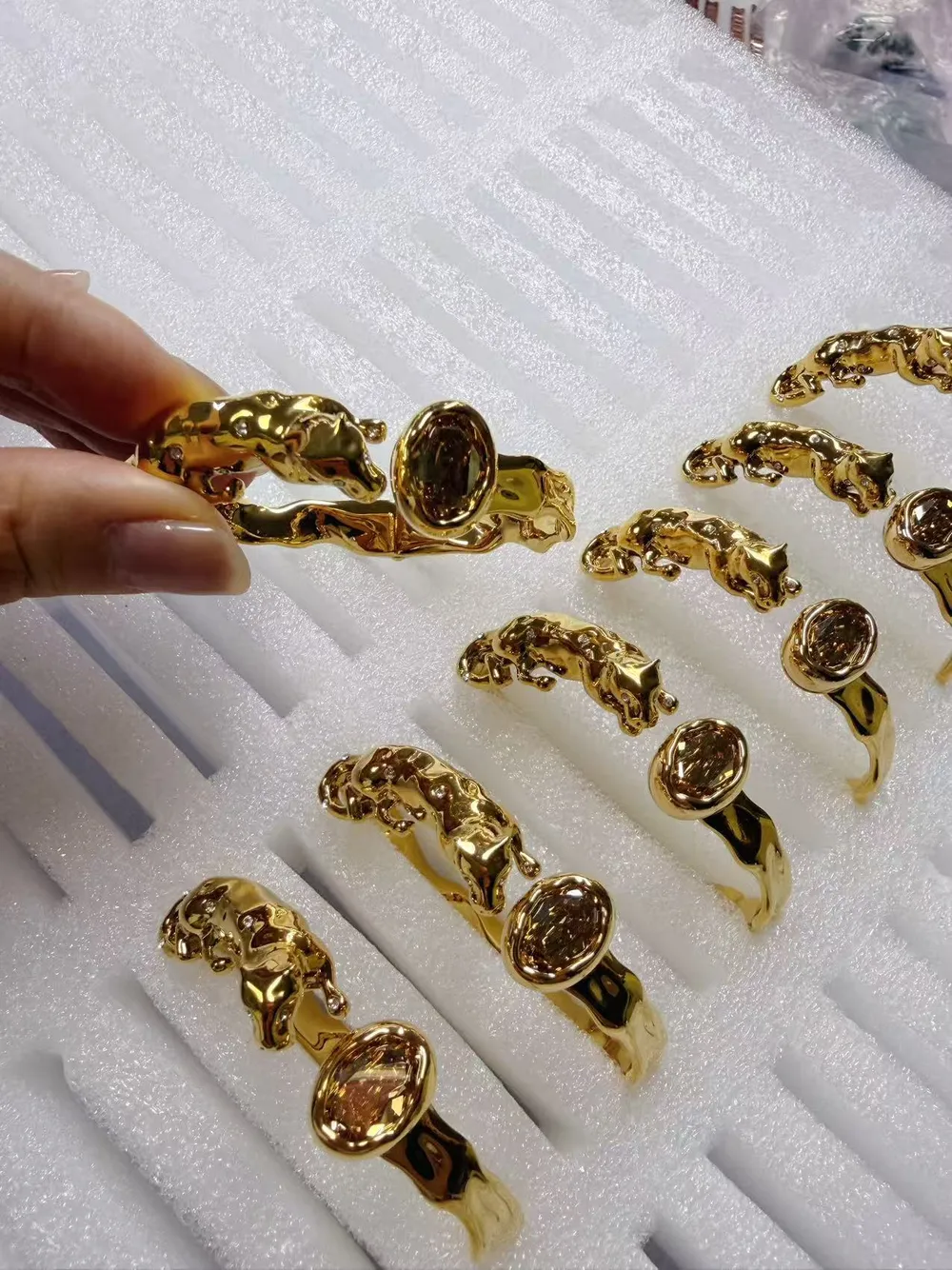
Why Natural Stone Jewelry Is Joining the Shift
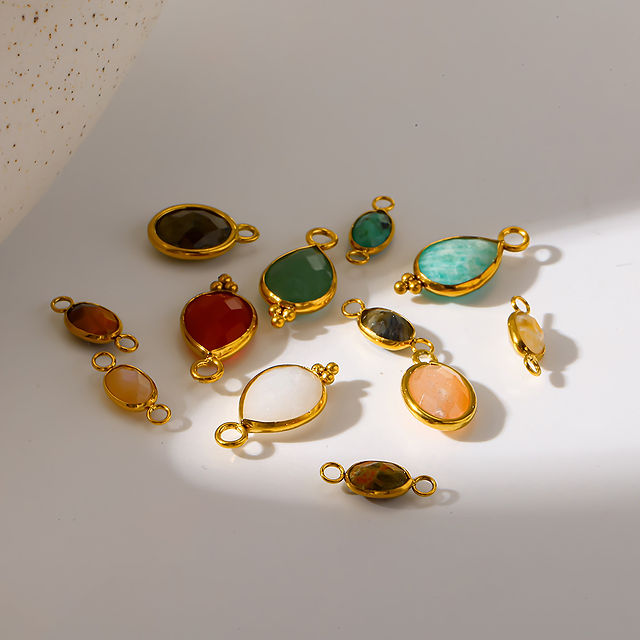
We are also seeing more silver and brass natural stone collections being redeveloped in stainless steel. Natural stone jewelry has become increasingly popular among premium jewelry brands.
As brands seek to improve durability and reduce maintenance concerns, more natural stone collections are being redeveloped using stainless steel.
However, setting natural stones in stainless steel requires specialized engineering and stone-setting expertise.
The goal is not simply to change materials.
The goal is to preserve the beauty of natural stones while creating jewelry that performs better in everyday life.
Which Designs May Require Redesign?
| Design Type | Challenge |
| Ultra-thin Filigree | Structural fragility |
| Lightweight Earrings | Weight optimization |
| Fold-over Mechanisms | Re-engineering required |
| Hand Engraving | CNC or laser recommended |
For engrave,Steel is too hard for traditional hand engraving techniques.To preserve fine details, designs may need to be adapted for laser engraving or CNC machining.
While these methods provide excellent precision, they create a different aesthetic compared to traditional hand engraving.
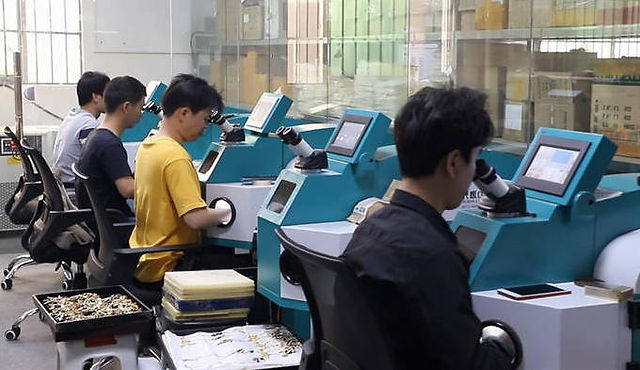
At Ducaibo Jewelry, we have spent over 15 years perfecting the high-precision technology required to clone fine jewelry aesthetics into high-durability steel.
1. High-Precision Micro Stone Setting
One of the biggest challenges when converting silver or brass jewelry into stainless steel is stone setting.Traditional stainless steel cannot be easily bent over a gemstone prong without snapping the metal. Ducaibo utilizes advanced CNC automated micro-machining and specialized channel matrices to lock AAA Cubic Zirconia and natural gemstones permanently into the dense 316L steel frame. Discover our proprietary cold-extrusion and zero-glue solutions as a leading stainless steel gemstone jewelry manufacturer.
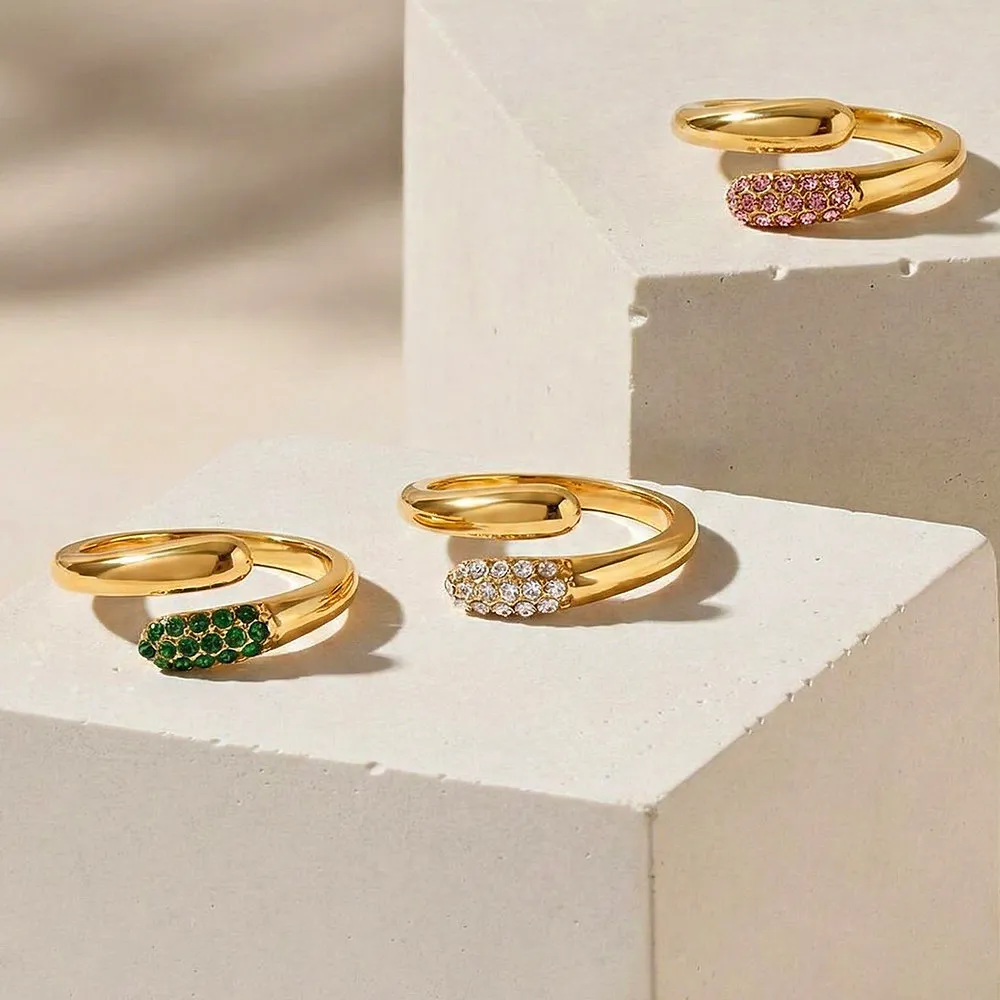
2. Multi-Stage Centrifugal Mirror Polishing
Because raw steel exits casting molds with a dull, grey oxidized scale, achieving a premium luxury reflection requires extensive treatment. Our facility runs a proprietary multi-stage automated tumbling protocol paired with manual diamond-paste buffing wheel cycles to guarantee that 100% of the product's geography — including hidden interior curves — is flawless and comfortable against the skin.
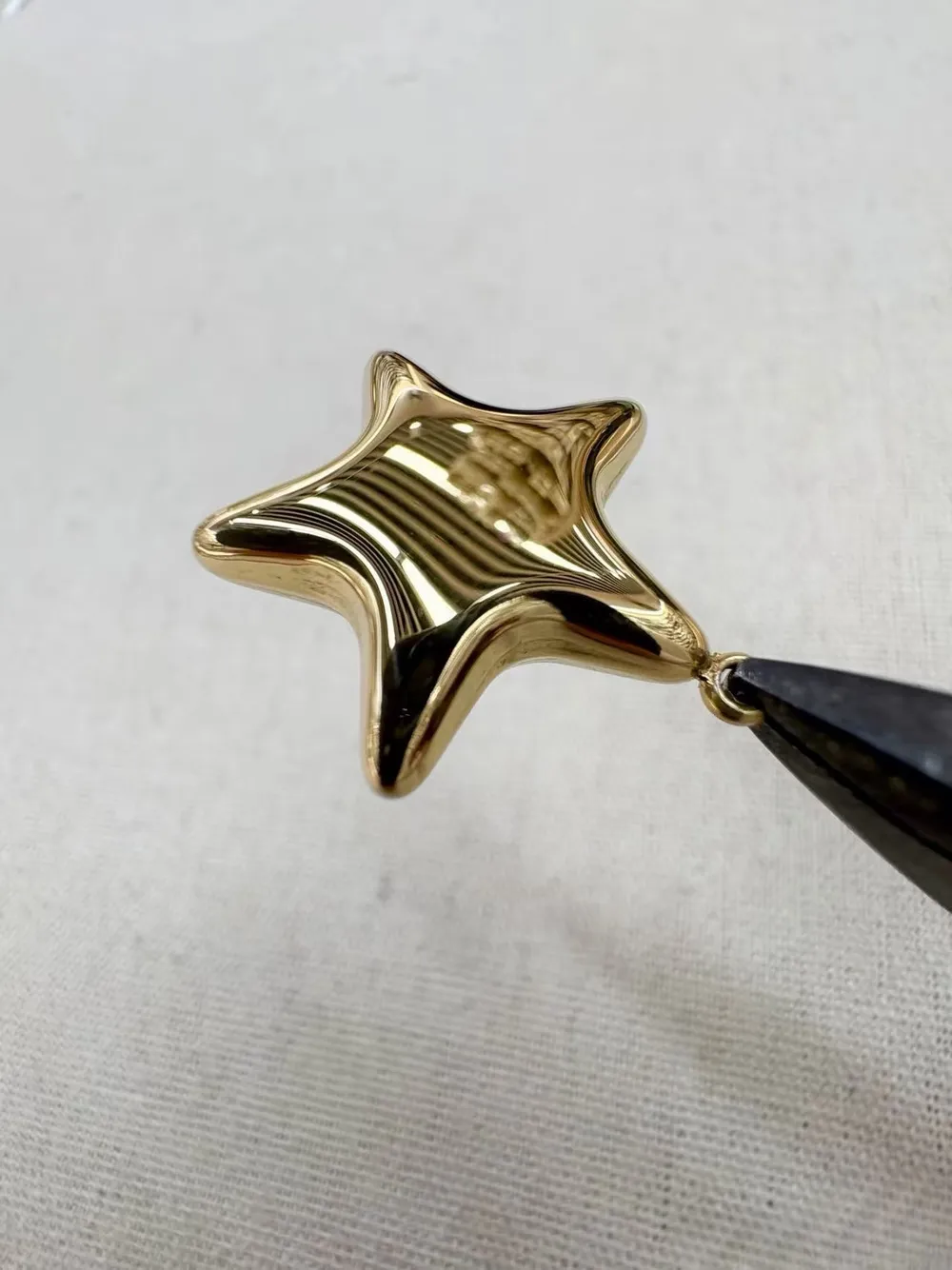
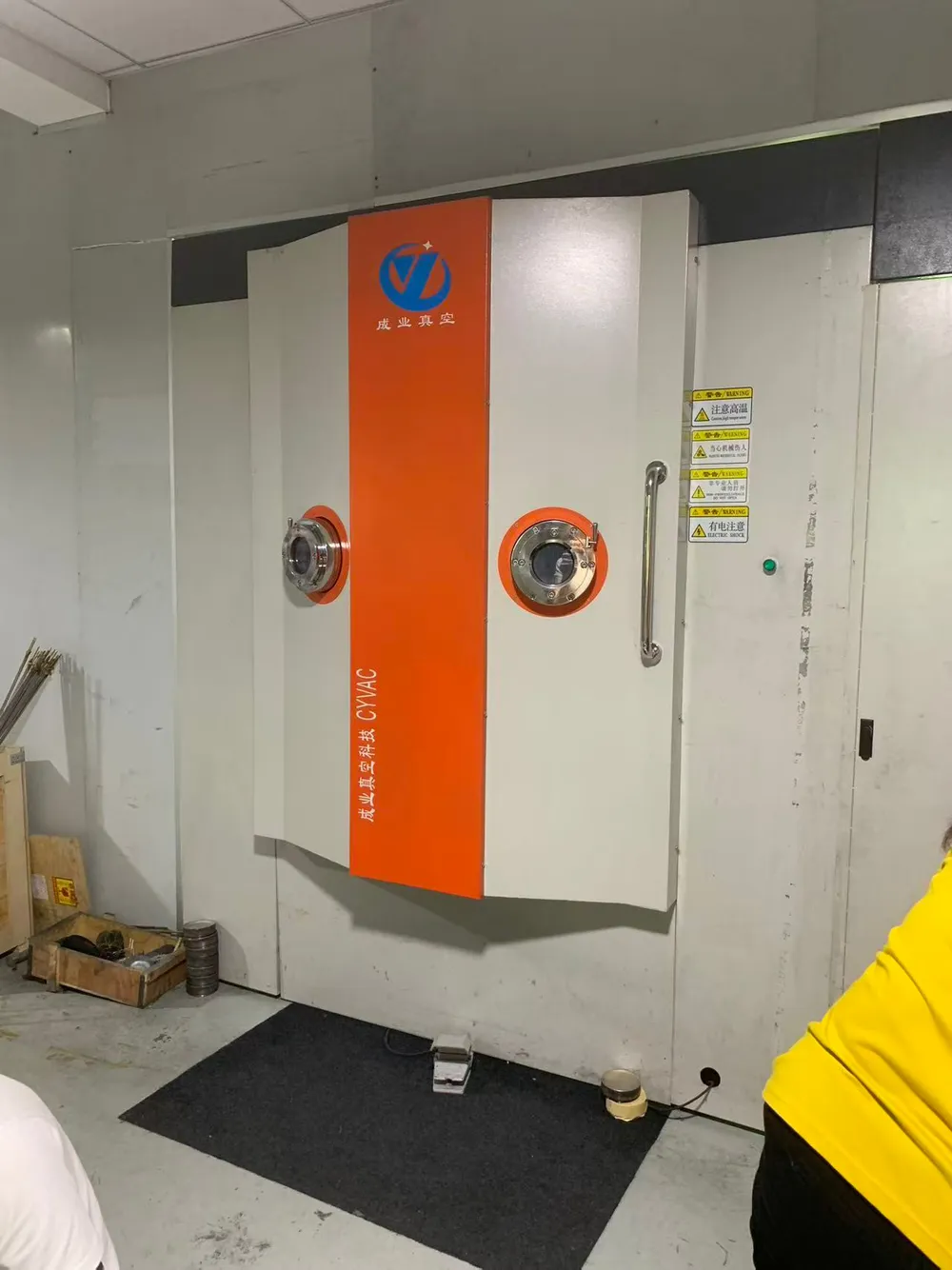
3. PVD Vacuum Plating for Premium Finishes
Many premium brass jewelry brands use plating to achieve a luxury appearance, but durability often becomes a challenge over time. To perfectly replicate the rich look of fine gold jewelry, we skip low-cost chemical electroplating, which flakes off within months. Instead, Ducaibo deploys Physical Vapor Deposition (PVD) coating inside high-vacuum chambers, bonding real 18K Gold particles atom-by-atom to the steel base. This delivers years tarnish-free, lifestyle-proof guarantee.
Which Silver or Brass Designs Should NOT Be Converted to Stainless Steel?
While most silver or brass designs translate beautifully to stainless steel, some do not. Being transparent about this builds trust with your brand.
Designs That May Not Work Well in Steel
| Design Type | Why It's Problematic | Recommended Alternative |
| Ultra-delicate filigree (wire under 0.8mm thick) | Steel's hardness makes thin wires brittle and prone to snapping | Increase wire thickness to 1.2mm+, or keep in silver |
| Intricate hand-engraved details | Steel is too hard for traditional hand engraving tools | Use laser engraving or CNC machining instead |
| Very lightweight earrings (under 1.5g per piece) | Steel's density means same volume = heavier piece | Hollow-tube engineering reduces weight by 40-50% |
| Complex fold-over or bending mechanisms | Steel work-hardens and can crack when repeatedly bent | Redesign mechanism for steel tolerances |
Case Example
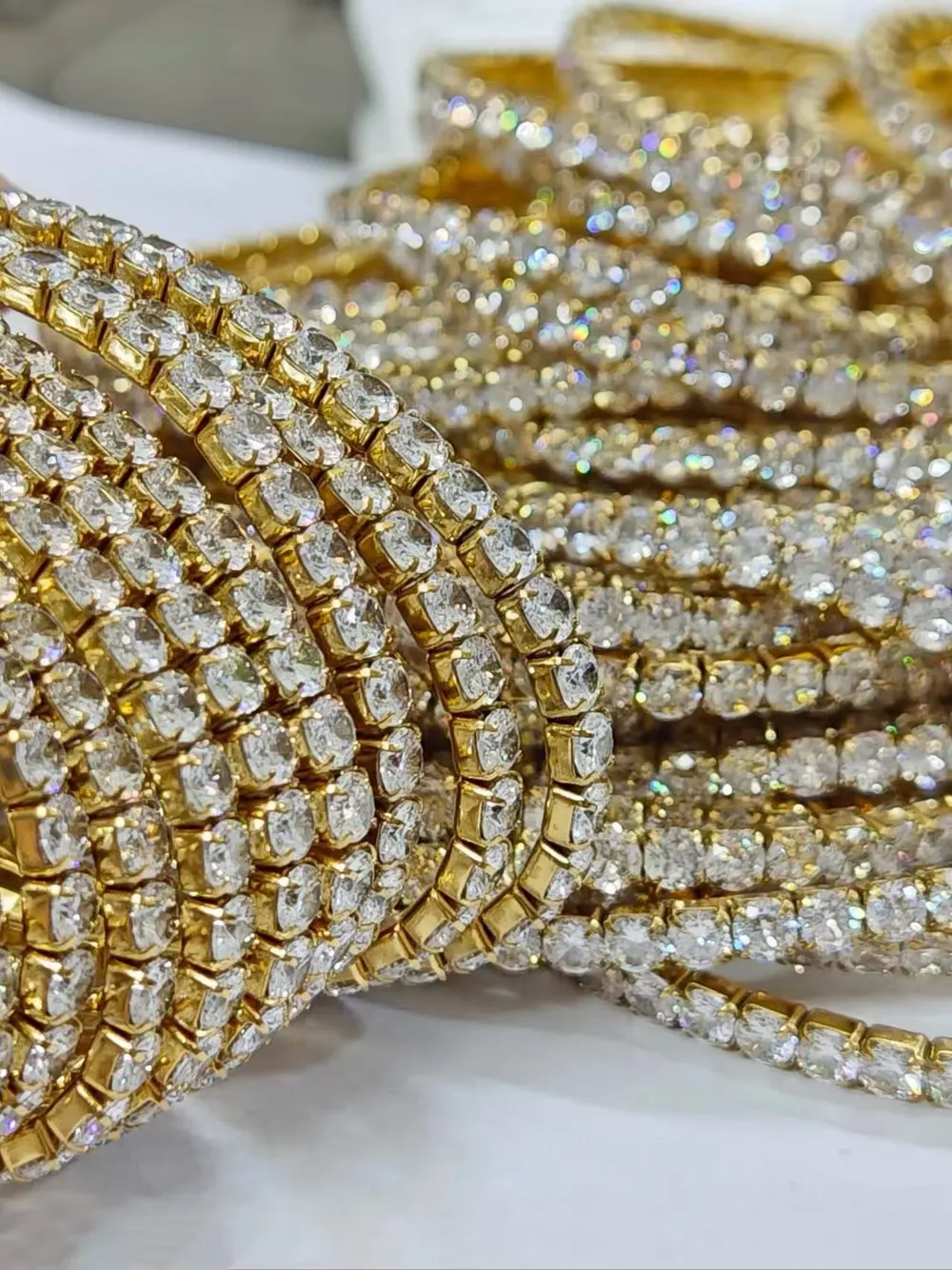
A jewelry brand approached us with a sterling silver tennis chain collection.The original design was developed in sterling silver and relied on traditional stone-setting methods that could not be directly replicated in stainless steel.
Our engineering team redesigned the clasp structure and optimized the stone-setting approach to preserve the original luxury appearance while improving durability.
Their objectives were:
Reduce material costs
Improve color durability
Maintain a luxury appearance
After redesigning the clasp structure and adapting the stone-setting method for stainless steel, the collection successfully transitioned to 316L stainless steel while preserving its premium look and feel.
Designs That Work Extremely Well in Steel
| Design Type | Why It Excels |
| Chunky signet rings | Steel's weight adds premium feel |
| Geometric pendants | Clean lines, laser-cut precision |
| Minimalist bar necklaces | Steel's hardness maintains straight edges |
| Cuff bracelets | Steel's spring-back properties hold shape |
| Chain jewelry | Steel's tensile strength prevents stretching |
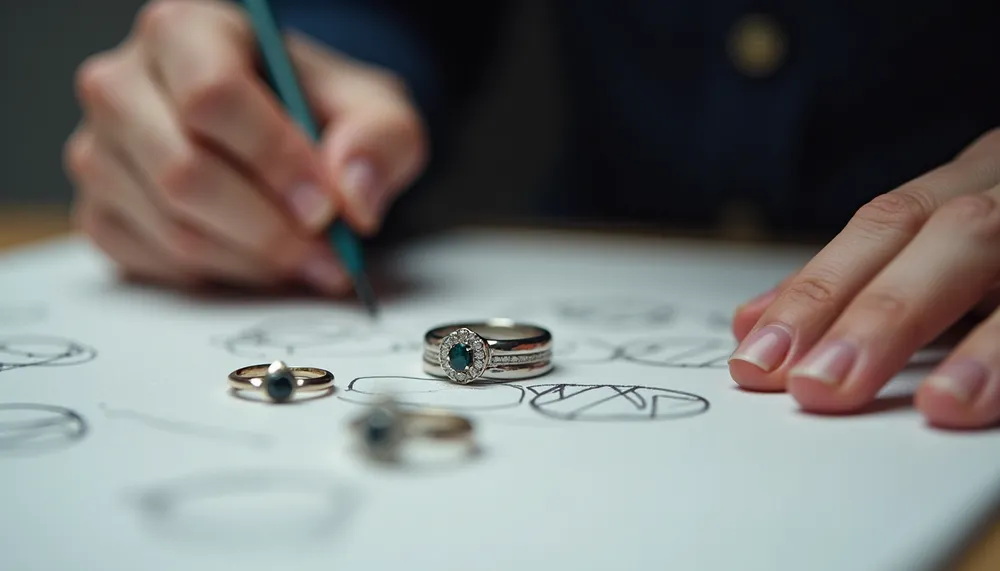
Ducaibo's Design Team Can Help: Not sure if your design will translate? Send us your tech pack or reference images. Our engineers will review and advise on modifications — before you invest in sampling.
Regional Playbook: Europe vs. North America
When engineering your custom jewelry line, your component and design specifications must align with regional consumer behaviors.
| Market | Key Characteristics | Sourcing Strategy |
| North America | TikTok-driven micro-trends, bold statements, high volume | "Trend Capsule Strategy" — release agile, bold designs frequently |
| Europe (Germany, France, Switzerland, UK) | Clean, timeless, structural minimalism, high compliance focus | Prioritize REACH, EN 1811 nickel release standards |
❓ Trending B2B FAQ: Sourcing Custom Stainless Steel Jewelry
Q1: Is it more expensive to manufacture custom molds for stainless steel compared to silver?
A: Because stainless steel requires a much higher melting point (exceeding 1500°C), the initial investment casting molds are more complex to engineer than silver molds. However, the significantly lower raw material cost of steel means that at bulk scale (200+ pieces), your per-unit cost drops dramatically — yielding much higher profit margins.
Q2: How does Ducaibo help silver-based brands transition their existing catalog to steel?
A: Our industrial design team can take your existing physical silver samples, 2D sketches, or vector files and convert them into precise 3D CAD models optimized for stainless steel tolerances. We recalculate wall thicknesses and weight distribution to ensure the steel version retains the exact look and premium feel of your original fine jewelry line.
Q3: What is Ducaibo's Minimum Order Quantity (MOQ) for custom OEM/ODM production?
We offer flexible tiers to support growing online jewelry boutiques and established global wholesalers alike. As a premiercustom stainless steel jewelry manufacturer, Ducaibo handles everything from small-batch testing to massive bulk production with strict quality control.
Q4: Will my jewelry look larger or bulkier when converting from silver to stainless steel?
A: Not if it is engineered properly. Because stainless steel has a much higher tensile strength than silver and brass, our engineering team at Ducaibo can actually reduce the wall thickness of the design while maintaining identical structural durability, keeping your minimalist aesthetics sleek and refined.
Q5: Can stainless steel accommodate prongs for delicate gemstones like silver or brass does?
A: Traditional hand-bending will snap steel prongs. To bypass this limitations, Ducaibo utilizes specialized CNC micro-machining to cut tension-lock channels and precise mechanical seats. This allows us to secure AAA Cubic Zirconia or crystals into the steel matrix with zero risk of stones falling out during daily wear.
Q6: How much can a Shopify brand expect to lower its return rate by switching to 316L steel?
A: On average, sterling silver collections experience a 5% to 10% return rate due to tarnishing, skin greening, or bent posts during transit. By transitioning to Ducaibo’s mirror-polished, PVD gold-plated 316L stainless steel, international brands consistently keep their total defect-related return rate under 2%..
| Customization Type | MOQ |
| Fully custom shapes (new mold development) | 200 pieces per design,100-150pcs per ring size |
Q7:Can every silver design be converted to stainless steel?
No. Some designs require structural modifications to ensure durability and stone security.
Q8:Can brass jewelry be converted to stainless steel?
Yes. Many high-end brass collections can be successfully redeveloped in 316L stainless steel.
Q9:Will stainless steel jewelry look less luxurious?
Not when properly engineered, polished, and finished with premium PVD coating.
Q10:Can natural stones be set in stainless steel?
Yes. However, stainless steel requires different stone-setting techniques compared with silver and brass.
Q11:Why do some factories refuse silver-to-steel conversion projects?
Because stainless steel requires different molds, polishing processes, and stone-setting solutions that many factories are not equipped to handle.
Q12: Can stainless steel jewelry feel as premium as silver?
A: Yes. When properly engineered, polished, and finished, premium stainless steel jewelry can achieve a refined appearance comparable to silver jewelry. In fact, many consumers no longer judge luxury based solely on the material itself. Instead, they evaluate factors such as comfort, durability, finish quality, color longevity, and overall product experience. High-quality mirror polishing combined with advanced PVD coating allows stainless steel jewelry to deliver both a premium look and superior everyday performance.
Q13: Can stainless steel be used for gemstone jewelry?
A: Absolutely. Stainless steel can be successfully used for both cubic zirconia and natural gemstone jewelry. However, gemstone setting in stainless steel requires different engineering techniques than silver or brass. Because stainless steel is significantly harder, traditional hand-bent prongs are often unsuitable. Advanced CNC machining, precision channel setting, and specialized stone-setting solutions are typically required to ensure long-term stone security and durability.
Q14: How much redesign is usually required when converting silver or brass jewelry into stainless steel?
A: The amount of redesign depends on the original design. Simple geometric pendants, chains, signet rings, and cuff bracelets may require only minor adjustments. More intricate designs, such as delicate filigree pieces, lightweight earrings, or complex stone settings, often require structural optimization, wall thickness adjustments, clasp redesign, or stone-setting modifications. Our engineering team evaluates each project individually to determine the most efficient conversion strategy.
Q15: How long does a silver-to-stainless steel conversion project take?
A: For most projects, initial engineering review and design evaluation can be completed within 1-3 business days. Sample development typically takes 15–25 days, while highly complex designs may require 25–35 days due to mold development, structural testing, and stone-setting validation. Production timelines depend on order quantity and design complexity.
Q16: Is stainless steel suitable for luxury jewelry brands?
A: Yes. Increasingly, luxury and premium contemporary jewelry brands are incorporating 316L stainless steel into their collections. Modern consumers value waterproof performance, durability, low maintenance, and long-lasting color retention. When combined with sophisticated design, high-precision polishing, natural stones, and premium PVD finishing, stainless steel can meet the expectations of today's luxury jewelry customers while providing superior everyday wearability.
Luxury today is no longer defined solely by precious metals. It is increasingly defined by durability, comfort, and long-term customer satisfaction.
Q17: What is your MOQ for custom stainless steel jewelry?
A:Our standard MOQ depends on the product category:
Fully custom jewelry designs: 200 pcs per design
Custom rings: 100–150 pcs per ring size
Existing designs with custom logo engraving: 50 pcs
Sample development available before bulk production
📚 Related Articles
1.Learn how premium brands ensure high-quality stainless steel jewelry manufacturing.
2.Why Stainless Steel Jewelry Is Perfect for Everyday Wear
3.What Is the Most Comfortable Earring Weight for Daily Wear?
4The Ultimate B2B Sourcing Guide: Inside the Stainless Steel Jewelry Manufacturing Process in China
5.2026 Fall & Winter Stainless Steel Jewelry Trends: TikTok, Instagram & Pinterest Analysis
6.Custom Stainless Steel Jewelry Manufacturer:Complete Guide for Brands & Designers
Conclusion: Scale Your Brand with Ducaibo Jewelry Factory
Navigating the transition to a durable, cost-effective, and high-margin stainless steel supply chain requires an experienced manufacturing ally.
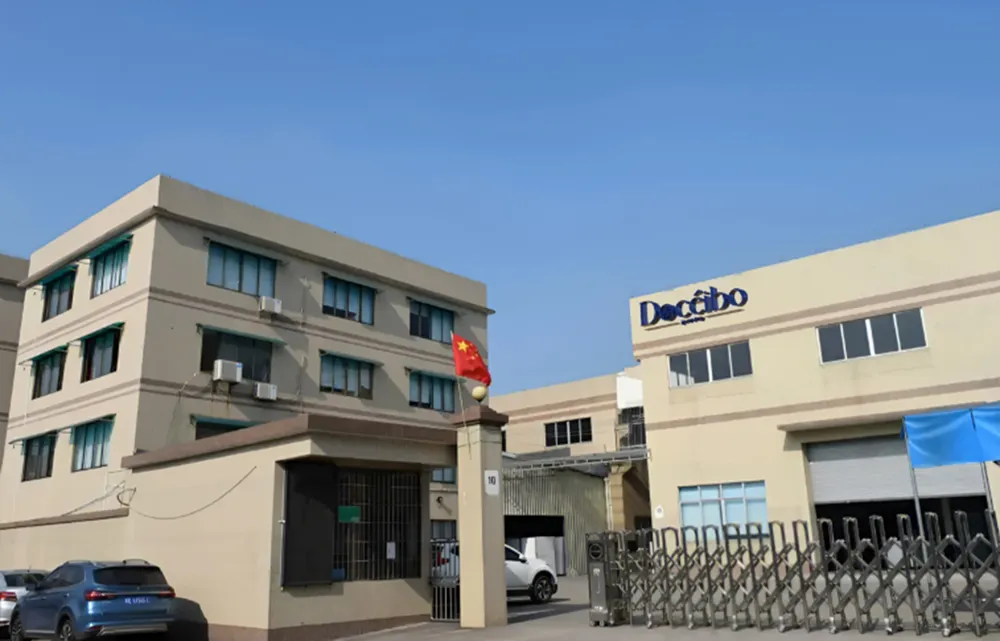
At Ducaibo Jewelry, we combine modern market trend tracking with over 15 years of precision metallurgy experience. We handle the entire lifecycle — from initial CAD prototyping and vacuum casting to certified PVD gold finishing and rigorous outgoing quality inspections — ensuring your collection arrives market-ready and built to last.
📩 Is Your Collection Ready for the Material Shift?
Silver and brass are not disappearing.
However, more jewelry brands are rethinking what modern luxury means.
For many collections, stainless steel provides an opportunity to combine premium aesthetics, improved durability, and lower long-term return rates.
The challenge is not changing materials.
The challenge is preserving the beauty that customers already love.
At Ducaibo Jewelry, we help brands successfully navigate that transition through engineering, product development, and precision manufacturing.
What Ducaibo Offers:
| Feature | Details |
| ✅ Low MOQ | 200 pieces per design,100-150pcs per ring designs |
| ✅ Full Documentation | Mill Test Reports (MTR) |
| ✅ PVD Coating | 1+ /2+/3+ year tarnish-free guarantee |
| ✅ Fast Sampling | 15-25 days for prototypes,complex one 25-35days |
| ✅ Compliance | REACH, RoHS, Prop 65, EN 1811 |
Get in Touch:
📬 Direct B2B Email: ivyli@ducaibojewelry.com
💬 WhatsApp Corporate Support: +86 136 5268 0103
🌐 Visit Our Factory Website: www.ducaibojewelry.com
Send us your design sketches or custom tech packs today, and let's construct your brand's next best-selling stainless steel collection together.
📩 Ready to Run Your Own Numbers?
Scan the QR code or visit www.ducaibojewelry.com/contact to request a custom cost analysis for your specific designs.
Contact: ivyli@ducaibojewelry.com|
WhatsApp: +86 136 5268 0103
Ducaibo Jewelry — Precision Engineered 316L Stainless Steel
As a professional stainless steel jewelry OEM and ODM manufacturer, Ducaibo helps brands successfully transition from silver and brass collections to 316L stainless steel.
Recommended Internal Links