Helping jewelry brands transition from silver and brass to stainless steel through advanced engineering, material science, and scalable OEM manufacturing.
🧭 SECTION 1 — Jewelry Material Conversion System
🔥 Jewelry Material Upgrade System
The jewelry industry is shifting from traditional soft metals to engineered stainless steel solutions.
This transition includes:
Sterling silver → stainless steel
Brass / copper alloys → stainless steel
Fashion jewelry → demi-fine jewelry
Why this shift matters:
Cost stability
Waterproof performance
Reduced return rates
Higher scalability
Better compliance (EU/US markets)
👉 This is not a design change. It is a material system upgrade。
🟢 SECTION 2 — OEM Jewelry Engineering Process
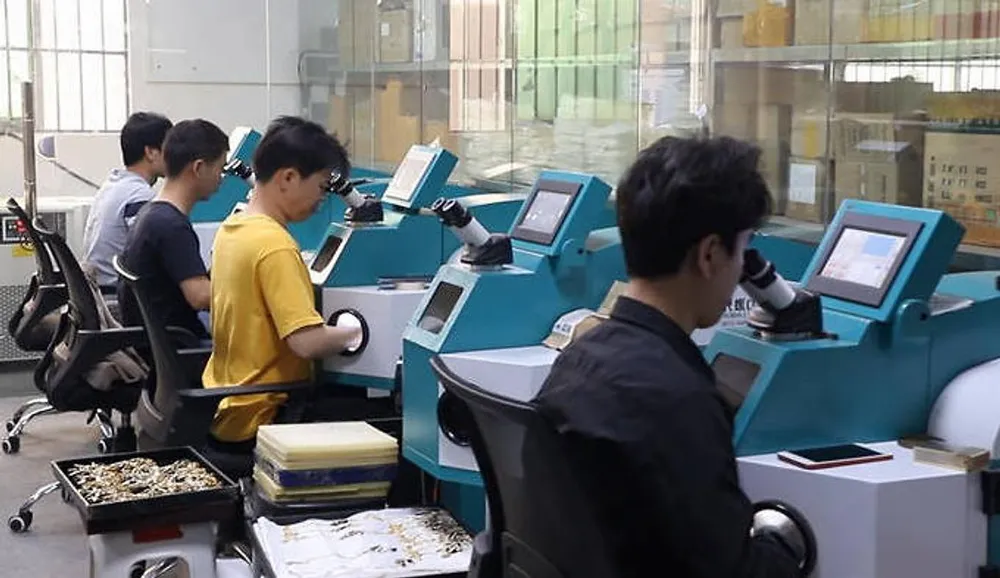
🏗 Jewelry OEM Engineering Process for Stainless Steel
Unlike sterling silver or brass, stainless steel jewelry requires an engineering-first development approach.
Production workflow:
Design deconstruction (from silver/brass reference)
Structural redesign for stainless steel
Wall thickness adjustment
Stone setting system redesign
3D CAD modeling & tolerance correction
Mold development
PVD plating validation
Mass production testing
👉 Key insight:
Stainless steel manufacturing is engineering-driven, not craft-driven.
🟡 SECTION 3 — Jewelry Material Conversion Challenges
⚠ Why Direct Copying Fails
Silver or brass designs cannot be directly copied into stainless steel because:
Different hardness levels
Different polishing access requirements
Different stone setting tolerance
Different weight distribution behavior
Common failure points:
Stone loosening
Structural cracking during polishing
Overweight design issues
Loss of surface detail
🔵 SECTION 4 — Demi-Fine Jewelry Transition Strategy
💎 From Fashion Jewelry to Demi-Fine Jewelry
A new category is emerging:
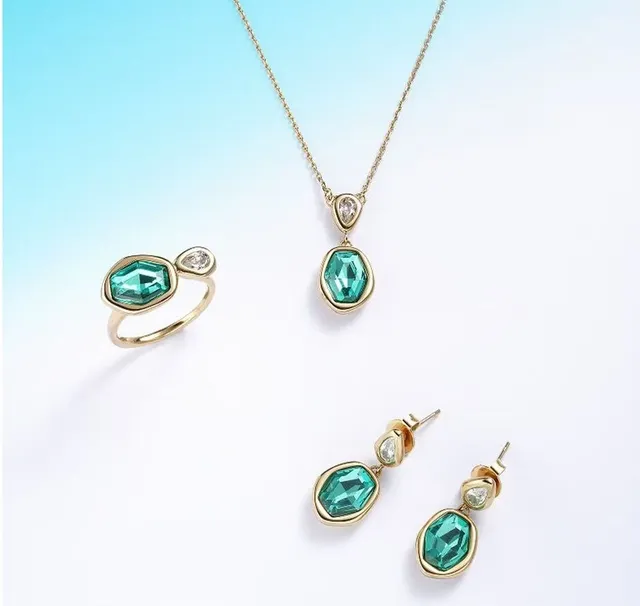
Stainless steel + premium design = demi-fine jewelry segment
Key elements:
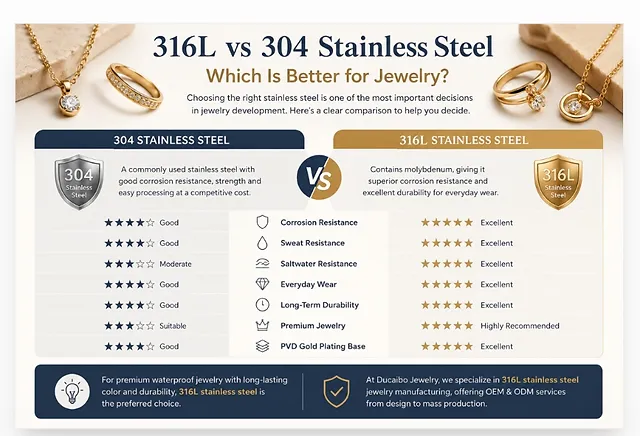
316L stainless steel base
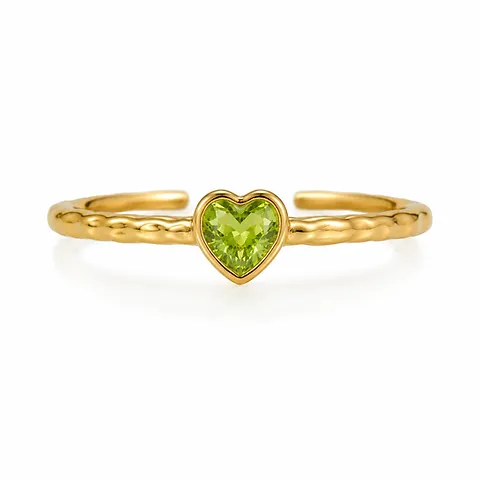
PVD 18K gold coating
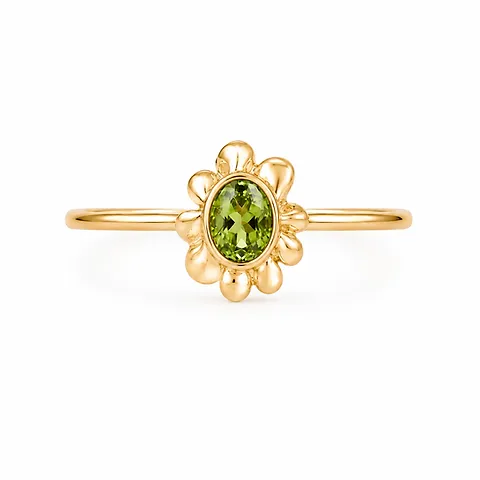
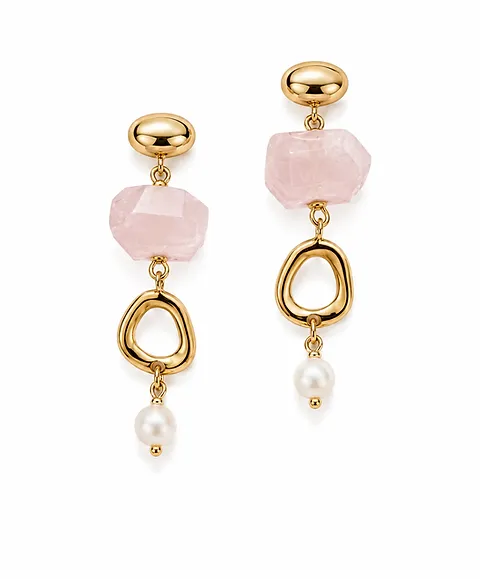
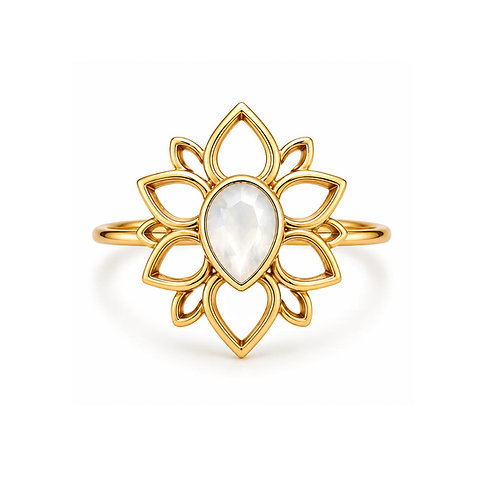
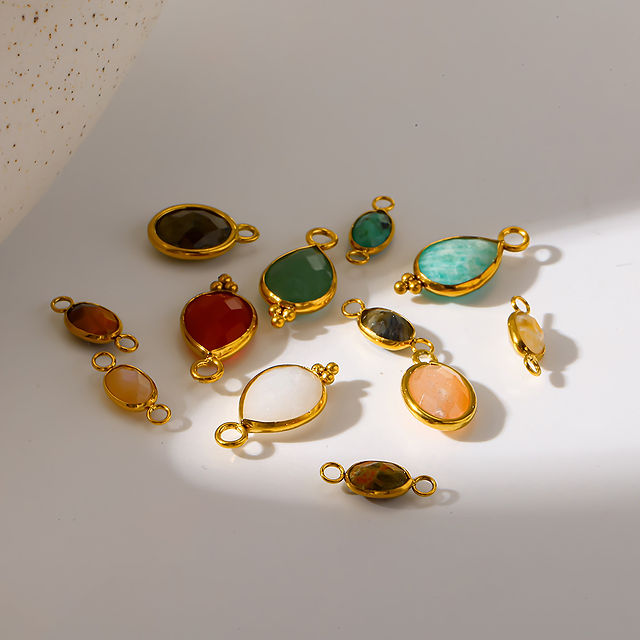
Natural stone integration
Minimalist + structural design language
Market direction:
From “fast fashion jewelry”
To “daily wearable luxury”
🟣 SECTION 5 — Stainless Steel + Natural Stone Strategy
🌿 High-End Hybrid Jewelry Model
One of the fastest-growing opportunities for jewelry brands is combining stainless steel with natural stones.
Stainless steel + natural stones = emotional + durable jewelry
Benefits:
Emotional storytelling (healing, nature, meaning)
Higher perceived value
Strong EU boutique demand
Better differentiation from mass market
🟢 SECTION 6 — Why Jewelry Brands Are Switching to Stainless Steel
📈 Market Drivers (2026)
Rising silver prices
TikTok-driven durability demand
Waterproof lifestyle trend
Return-rate pressure in e-commerce
EU compliance expectations
🔗 SECTION 7 — Related Jewelry Material Conversion Guides(Internal Link Cluster)
Explore our complete engineering knowledge base:
Silver or Brass to Stainless Steel Conversion Guide (Technical Breakdown)
🏭 SECTION 8 — About Our Manufacturing System
Ducaibo Jewelry specializes in helping jewelry brands successfully convert silver and brass collections into engineered stainless steel products:
Stainless steel OEM/ODM jewelry manufacturing
Silver & brass to stainless steel conversion engineering
PVD waterproof coating systems
Natural stone integration production
EU compliant jewelry systems (REACH / RoHS / Nickel-safe)
We support brands from concept → engineering → scalable production